
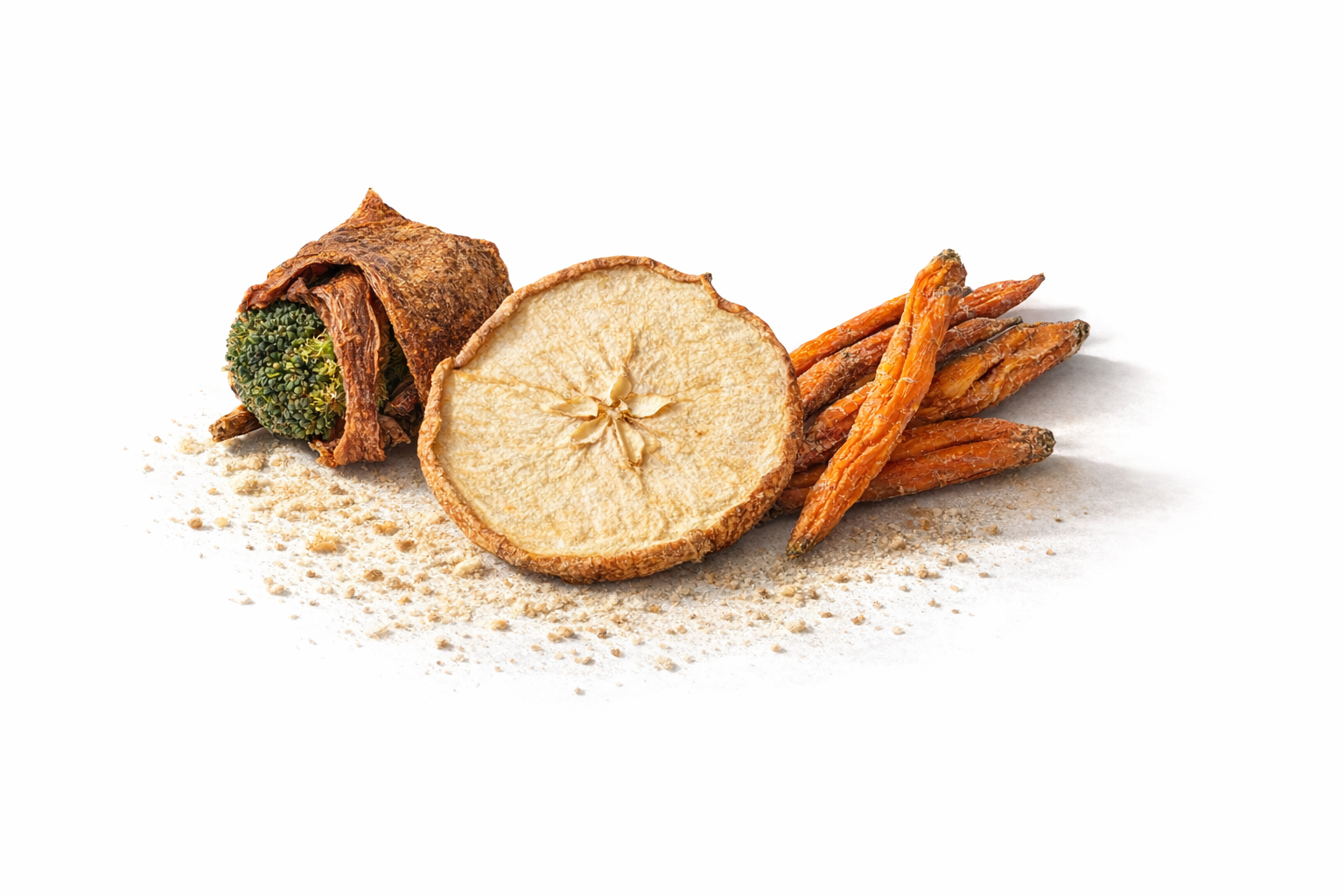
Familiar ingredients.
Thoughtfully chosen.
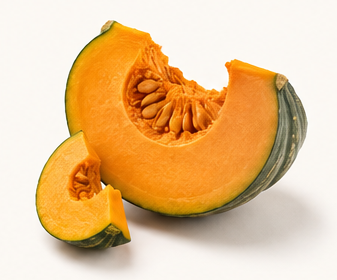
❋ Why pumpkin?
A familiar vegetable, chosen for a reason.
Pumpkin provides fibre and a range of naturally occurring nutrients. We include it as part of a varied, everyday diet — not because it is extraordinary, but because good food is often built from familiar things.
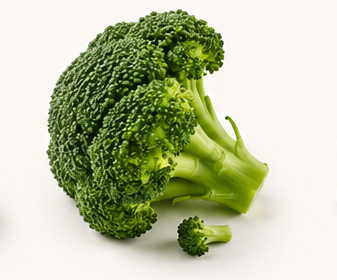
❋ Why broccoli?
Green, familiar, and naturally full of goodness.
Broccoli provides fibre, vitamin C and a range of naturally occurring plant compounds. We use it in a measured amount, alongside other whole-food ingredients.
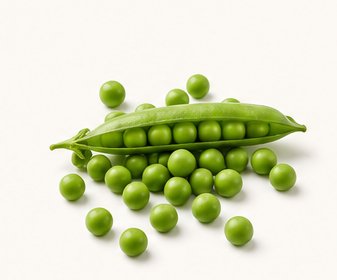
❋ Why pea?
One plant ingredient among many.
Peas provide plant protein, fibre and naturally occurring nutrients. We don't rely on any one ingredient to do everything. Instead, we choose a combination that makes sense together.
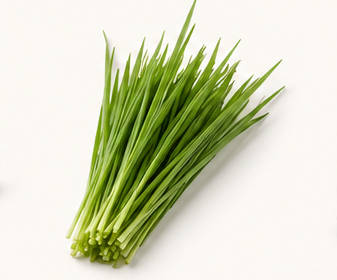
❋ Why wheat grass?
Young grass, simply because it belongs in the mix.
Wheatgrass is the young shoot of the wheat plant and provides fibre and naturally occurring plant nutrients. We use a small amount as one part of a broader, varied recipe.
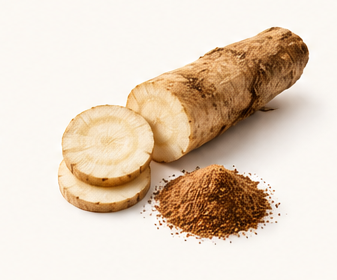
❋ What is chicory extract?
From the root of the chicory plant.
Chicory root naturally contains inulin, a type of dietary fibre. We use chicory extract in a considered amount, as part of the overall nutritional composition of the recipe.
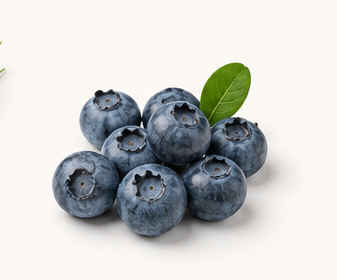
❋ Why blueberries?
A little fruit, chosen for more than colour.
Blueberries bring fibre, vitamin C and naturally occurring plant compounds to the recipe. We use them as one small part of a broader mix of ingredients — because variety matters too.
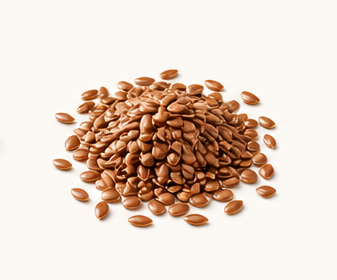
❋ Why flaxseed?
A small seed with a useful place in the diet.
Flaxseed provides fibre and ALA, a plant-based omega-3 fatty acid. It is a simple ingredient, but one we chose deliberately for what it contributes to the overall recipe.
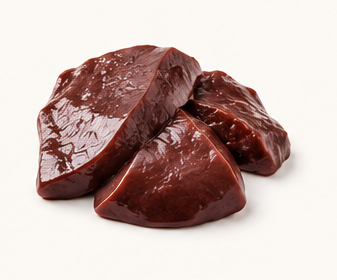
❋ Why beef liver?
Small in quantity. Rich in nutrition.
Liver is naturally rich in vitamin A, iron, copper and B vitamins. Because it is so nutrient-dense, a little can go a long way — which is why we use it thoughtfully, rather than simply adding more.
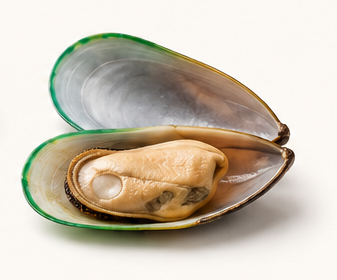
❋ What is green-lipped mussel?
From New Zealand waters. Chosen with purpose.
Green-lipped mussel (Perna canaliculus) is native to New Zealand and naturally contains omega-3 fatty acids and other nutrients. We chose it not simply because it is a New Zealand ingredient, but because it has a meaningful place in a carefully considered everyday formula.
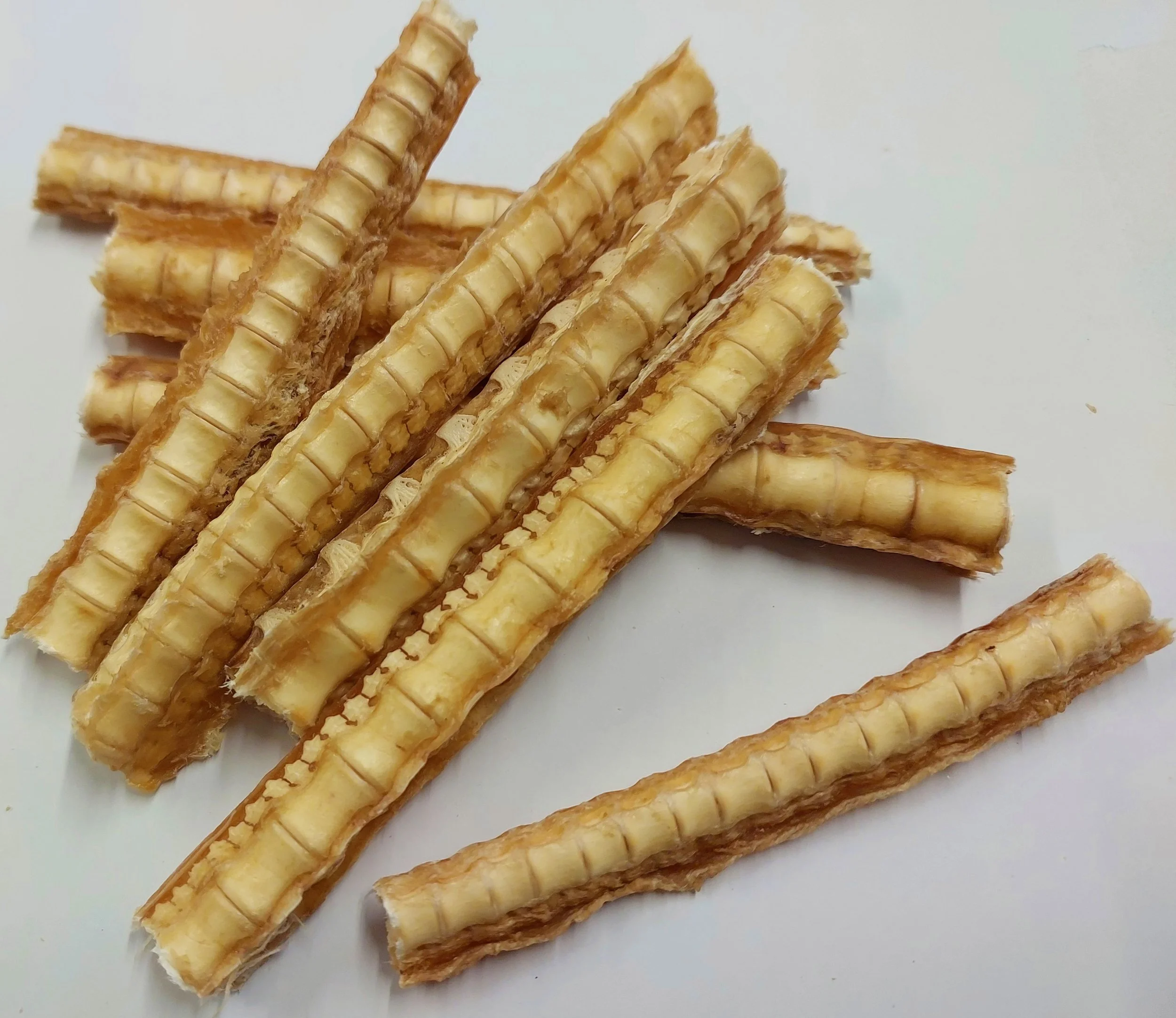
❋ Why shark cartilage?
One carefully considered source of naturally occurring compounds.
Shark cartilage contains naturally occurring structural components, including collagen and other cartilage-associated compounds. We use it as one part of the formula, alongside green-lipped mussel and flaxseed, rather than relying on any single ingredient.
How We Make Things
Choose
Fresh apples, selected for the batch
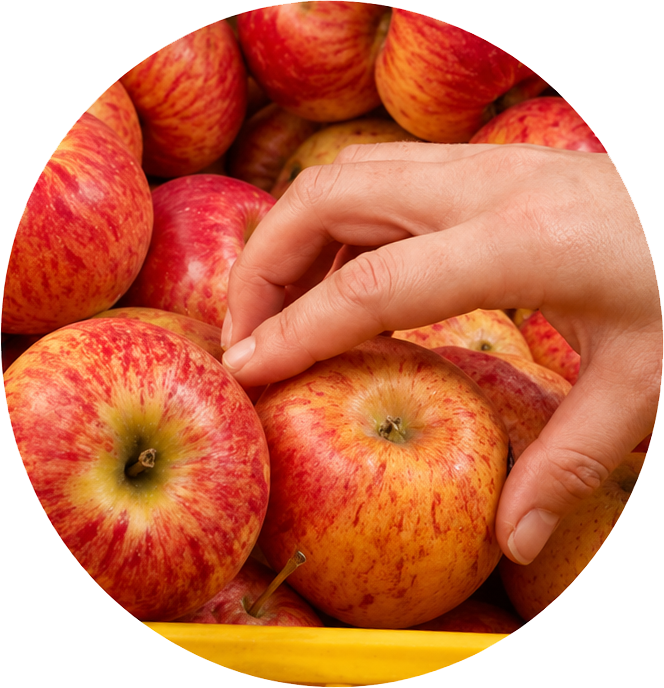
Prepare
Sliced and arranged by hand
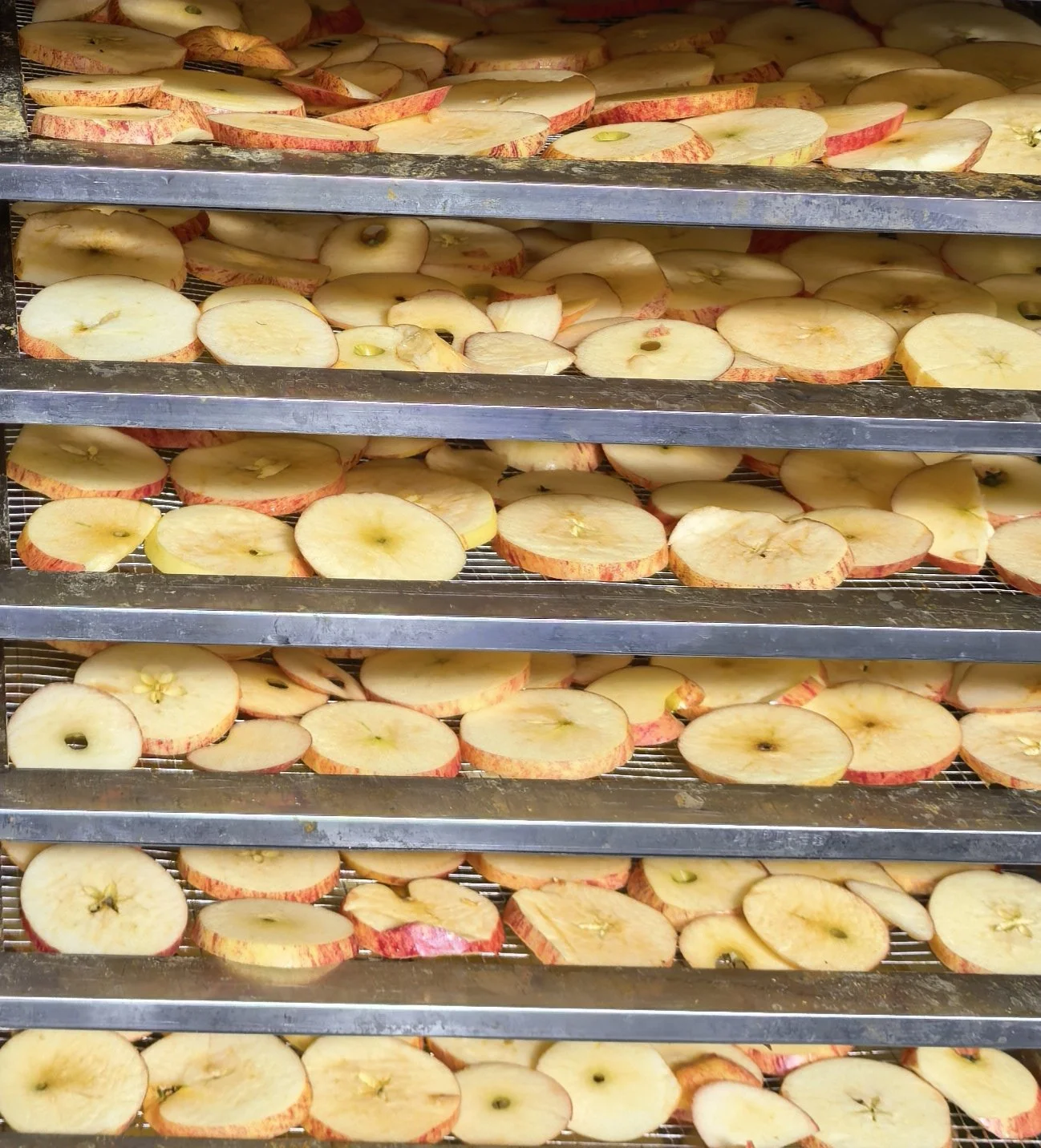
Air-dry
Slowly dried to bring out their natural texture
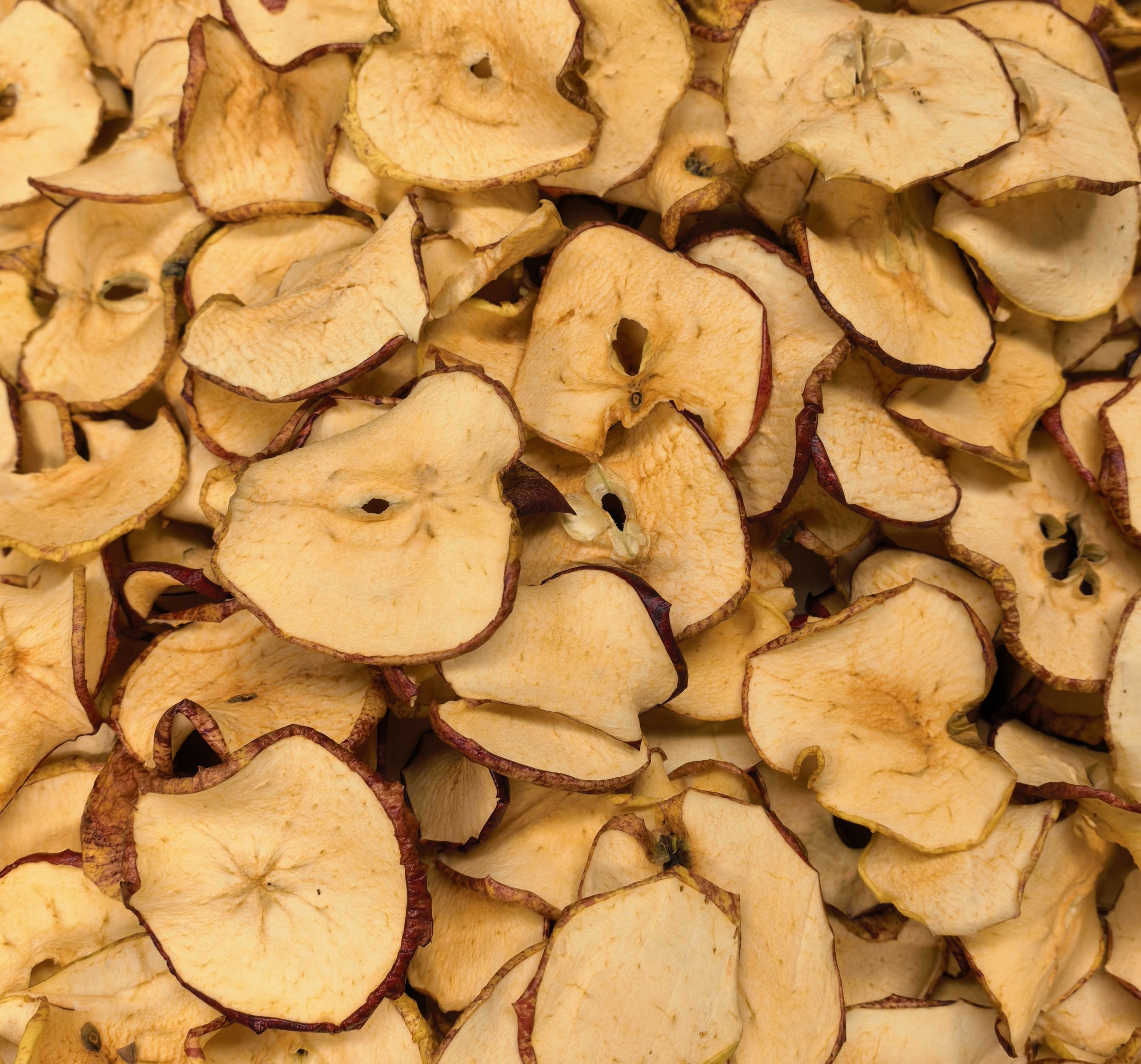
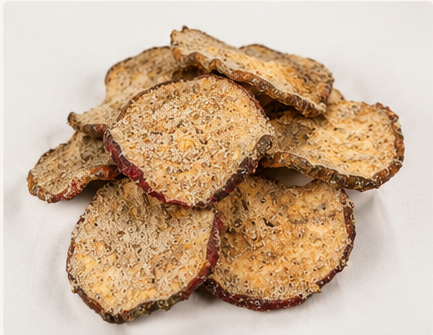
Finish
Coated with the ingredients that make each recipe its own

-
Not always. And that's okay.
If your pet is already eating a complete and balanced diet, supplements aren't automatically necessary. They can have a place when there is a particular nutritional reason to include them, or when carefully chosen ingredients complement an otherwise balanced diet.
Start with the diet. Then ask what, if anything, is missing.
-
A treat is still part of the diet.
Treats are usually intended to complement, rather than replace, a pet's main diet.
Because they still contribute energy and nutrients, it's worth considering them alongside everything else your pet eats during the day.
A treat doesn't need to be complicated. It just needs to fit.
-
Start small.
Give a small piece the first time and see how your pet responds over the next day.
If everything is normal, gradually increase the amount as part of their usual routine.
There is no need to rush. A new food is still a new food.
-
There isn't one right way to feed a pet.
Raw, dry and wet food can all have a place in a healthy diet. What matters most is that the food is nutritionally complete, suitable for your pet, and fed in the right amount.
So choose what works for your pet — and what you can consistently provide.
-
More isn't always better.
Treats and complementary foods should remain a small part of the overall diet. As a simple guide, keep extras around 10% or less of daily calories, with the rest coming from a complete and balanced food.
Small amounts, given regularly, are often enough.
-
Variety doesn't have to be complicated.
Different foods naturally provide different ingredients and nutrients. Rotating suitable foods and complementary ingredients can be a simple way to bring variety into your pet's routine.
It doesn't mean changing everything, or changing something every day.
Just a little variety, when it makes sense.